


At Mangal Anand Hospital in Chembur, Mumbai, oral cancer surgery is carried out by surgeons trained in head and neck oncology. A plastic and reconstructive surgeon joins the team when tissue needs to be rebuilt after the tumour is removed. Every operation is planned around your biopsy result, the location and extent of the cancer, and your general health.
The oral cancer specialists include Dr. Drub T. Sharma, Dr. Ameya Ajith Pai, Dr. Pranav Sathe, Dr. Khuzema Fatehi and Dr. Hitesh Singhavi. The head and neck cancer team includes Dr. Anup Srinivas, Dr. Abhishek Menon, Dr. Prashant Pawar and Dr. Priyanka Hardikar.
When oral cancer surgery requires reconstruction of the tongue, cheek, jaw or other affected tissues, the team also has plastic and reconstructive surgeons, including Dr. Tanmay Joshi, Dr. Priyanka Chilbule, Dr. Akshay Deshpande, Dr. Bharat Saxena and Dr. Ameya V. Warke. Treatment planning takes into account the biopsy results, the location and extent of the tumour, the stage of cancer and the patient's general health.
If you or a family member has been diagnosed with oral cancer or has been advised to undergo a biopsy, bring your existing reports for a specialist consultation. The surgical team can assess the diagnosis, explain whether surgery is appropriate and discuss the procedure, reconstruction options and expected recovery.
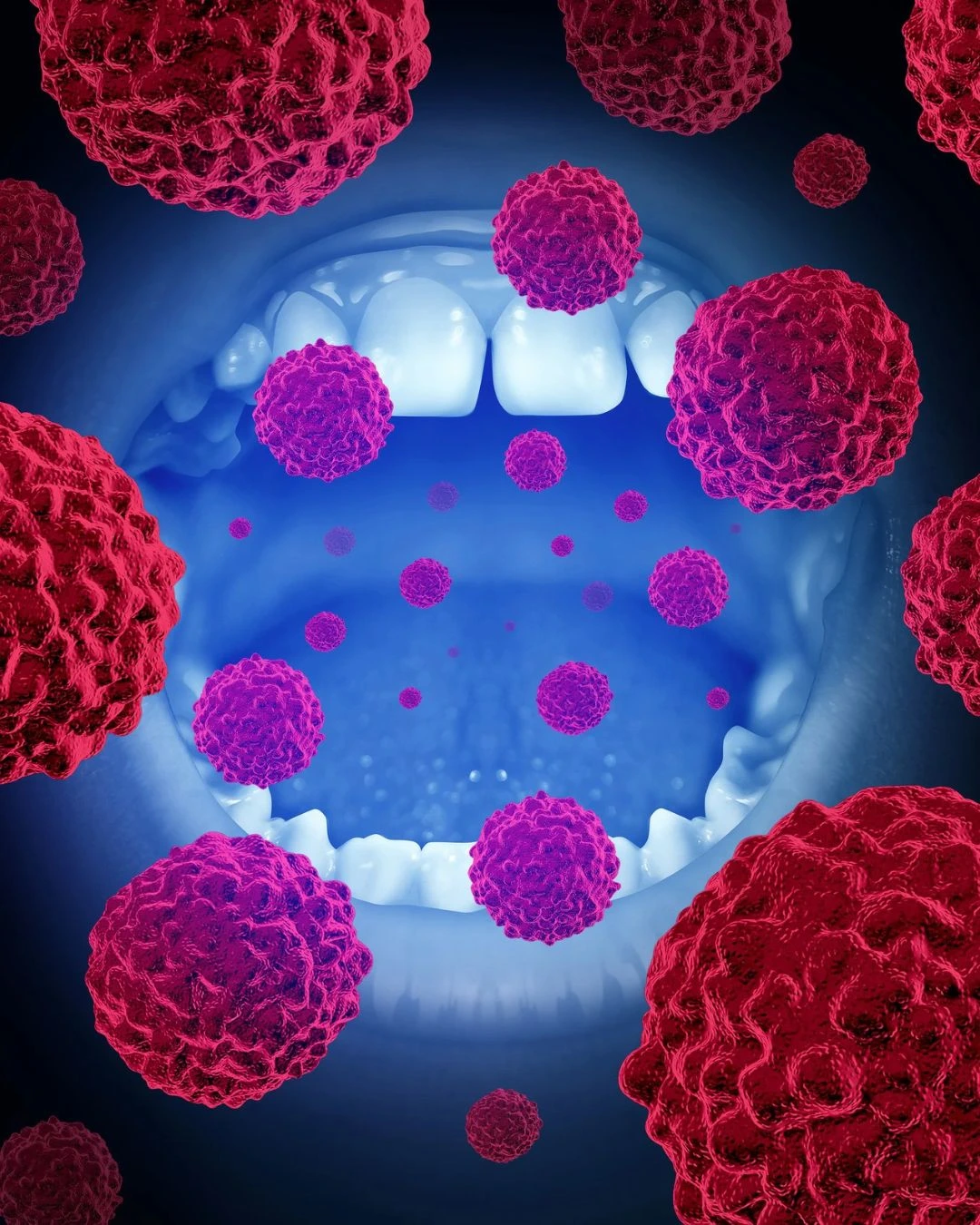
Oral cancer surgery removes the cancer from the mouth together with a margin of healthy-looking tissue around it. The aim is to remove the tumour completely while keeping as much of your ability to speak, chew, swallow and look like yourself as possible.
The oral cavity includes the lips, the front two-thirds of the tongue, the gums, the inner lining of the cheeks (buccal mucosa), the floor of the mouth under the tongue, the hard palate and the area behind the wisdom teeth. Cancers of the base of the tongue, tonsils and throat are oropharyngeal cancers. They are assessed and treated differently and are covered on our head and neck cancer treatment page.
There is no single "oral cancer operation". Depending on the cancer, surgery may include:
When the tumour, part of the jaw and the neck lymph nodes are removed together in one operation, the procedure is called a composite resection. After the operation, a pathologist examines the removed tissue. The pathology report confirms whether the edges (margins) are clear of cancer and whether any lymph nodes contain cancer. This report guides whether you need further treatment.
Dr. Drub T. Sharma is an Oral Oncologist and Maxillofacial Surgeon with advanced fellowship training in oral oncology, head and neck surgery, and reconstructive procedures. His areas of expertise include oral cancer surgery, maxillofacial tumour removal, and reconstruction, with a focus on preserving function and supporting rehabilitation after treatment.

Dr. Ameya Ajith Pai is a Head and Neck Onco-Plastic Surgeon with specialised training from Tata Memorial Hospital, Mumbai, and over 10 years of clinical experience. His expertise includes oral and maxillofacial malignancies, tumour excision, and reconstructive and rehabilitative surgery. He has been involved in the surgical treatment of more than 1,000 head and neck cancer patients.

Dr. Hitesh R. Singhavi has over 14 years of experience in oral oncology and complex head and neck cancer surgery. His areas of expertise include oral cancer surgery, robotic-assisted cancer surgery, neck surgery, and reconstructive procedures. He has performed more than 3,000 advanced head and neck cancer surgeries and has contributed extensively to oncology research and academic publications.
Dr. Khuzema Fatehi specialises in oral and head and neck cancer care, with fellowship training in head and neck oncology from Tata Memorial Hospital. His areas of practice include resective surgery, minimally invasive procedures, and reconstructive surgery for conditions involving the oral cavity, tongue, thyroid, and salivary glands.
Surgery is often the main treatment for oral cavity cancer when the tumour can be removed completely and safely, and when the expected effect on speech and swallowing is acceptable to you. The decision is made only after a biopsy has confirmed cancer and the stage of the disease is known.
Early-stage cancer (stage I–II): A small tumour can often be treated with surgery alone. Depending on the site and depth of the tumour, the neck lymph nodes may also be assessed or treated. For some sites, radiotherapy can be an alternative to surgery.
Locally advanced cancer (stage III, IVA and IVB): Treatment usually combines surgery with radiotherapy afterwards, sometimes with chemotherapy, depending on the pathology report. Some stage IVB cancers involve structures such as the skull base or the main arteries of the neck and cannot be removed safely. In these situations, radiotherapy with or without chemotherapy is usually considered instead.
Cancer that has spread to distant organs (stage IVC): Surgery is not usually the main treatment. Medicines such as chemotherapy or immunotherapy, radiotherapy to relieve symptoms, and supportive care are considered. Surgery may still have a role in selected situations.
No. Some small cancers at certain sites can be treated with radiotherapy. Some patients are not fit for a major operation, and some cancers cannot be removed safely. Your surgeon will explain why surgery is or is not being advised in your case. If radiotherapy or chemotherapy is part of your plan, the team will explain how it fits around surgery and where it will be given.
The Surgery is chosen according to where the cancer is and how far it has spread. Many patients need a combination of the procedures below.
The surgeon removes the tumour along with a margin of healthy tissue. This is often used for smaller cancers of the tongue, cheek, gum, lip or floor of the mouth. Many of these operations can be performed through the mouth, without an external cut on the face.
A glossectomy removes the part of the tongue affected by cancer. A partial glossectomy removes a small portion. A hemiglossectomy removes one side of the tongue. Larger tumours may need removal of more of the tongue. The more tongue that is removed, the greater the likely effect on speech and swallowing, which is why reconstruction and rehabilitation are often planned at the same time.
Cancers of the gums, floor of the mouth or cheek can lie close to, or grow into, the lower jawbone (mandible).
Cancers of the hard palate or upper gum may need removal of part of the upper jaw (maxilla). The opening this leaves in the roof of the mouth can be closed with a custom-made dental prosthesis called an obturator, or rebuilt with a tissue flap.
Cancer of the inner cheek lining is common in India and is closely linked with chewing tobacco, betel quid and gutkha. Depending on its extent, surgery may involve the cheek lining alone or the jawbone and overlying skin as well. Reconstruction is often needed to restore the cheek lining and help maintain mouth opening.
Oral cancer can spread to the lymph nodes in the neck, so the neck is assessed in every patient and often treated during surgery.
Not always. Whether you need reconstruction depends on how much tissue is removed and which structures are involved. Small wounds can often be closed directly or covered with a thin skin graft. Larger defects of the tongue, cheek, floor of the mouth or jaw usually need a flap: healthy tissue moved from another part of the body to rebuild the area.
A regional flap uses nearby tissue that keeps its own blood supply. A common example is the pectoralis major myocutaneous (PMMC) flap, which brings muscle and skin from the chest up to the mouth or neck.
In a free flap, tissue is taken from a distant part of the body and its small blood vessels are joined to vessels in the neck under a microscope.
After surgery, some patients need an obturator for the palate, dentures or, in selected cases, dental implants to help with chewing and appearance.
At Mangal Anand Hospital, our plastic and reconstructive surgeons team performs head and neck cancer reconstruction using PMMC flaps and microvascular reconstruction using radial forearm, anterolateral thigh and fibula flaps. When reconstruction is needed, it is planned before surgery and is usually done during the same operation.
Examination assesses sensation, thumb and grip strength, finger movement, wrist mobility and areas of tenderness, and looks for thumb muscle wasting. Three provocative tests support the diagnosis.
Phalen's test. The wrists are held flexed for about a minute. Reproduction of tingling in the median nerve distribution is a positive result.
Tinel's sign. The median nerve is gently tapped at the wrist. Tingling radiating into the fingers suggests nerve irritation.
Durkan's compression test. Direct pressure is applied over the carpal tunnel. This is often the most reliable of the three, particularly in earlier cases.
A nerve conduction study measures how fast electrical signals travel along the median nerve. It confirms the diagnosis, grades the severity of compression, and guides whether surgery is appropriate.Electromyography assesses the electrical activity of the muscles the nerve supplies. It is particularly useful when symptoms are severe, when weakness is present, or when another nerve disorder is suspected. Together, these tests convert a clinical impression into an objective measurement — which is why treatment decisions at Mangal Anand Hospital are based on the degree of nerve compression, not on symptoms alone.
Imaging is not needed for every patient. X-rays may be requested to identify fracture or arthritis, ultrasound to assess the nerve and surrounding soft tissue, and MRI where a complex wrist problem or an unusual cause of compression is suspected.
Most patients with mild to moderate carpal tunnel syndrome improve without surgery, particularly when the condition is caught early. The aim is to reduce pressure on the nerve, relieve symptoms and halt progression.
Small changes to how you use your hands make a measurable difference. Reduce repetitive wrist flexion, break up long spells of hand-intensive work, avoid sustained forceful gripping, and keep the wrist in a neutral position while typing. An ergonomic keyboard and a properly set-up workstation help considerably. The same measures reduce the chance of symptoms returning after treatment, which is why they are worth establishing as habits rather than treating as a temporary fix. Managing diabetes and thyroid disorders and maintaining a healthy weight also lower risk. During a flare-up, rest the hand and apply a cold pack for short periods.
A splint holds the wrist neutral and prevents the unconscious flexion that raises pressure during sleep. Night splinting is particularly effective for patients who wake with numbness, and many notice steady improvement over several weeks of consistent use. Splints are also useful during repetitive tasks and symptom flare-ups.
Anti-inflammatory and pain-relief medication reduces discomfort but does not remove the compression causing it. Medication is a supporting measure, used alongside splinting and activity modification rather than instead of them. Prolonged self-medication without review is not advisable.
Where symptoms persist despite initial conservative treatment, a corticosteroid injection can reduce inflammation and swelling within the tunnel, easing pain and numbness and in some patients deferring or avoiding surgery. The duration of relief varies considerably between individuals. An injection is a valuable diagnostic and therapeutic tool, but it is not a durable solution for significant nerve compression.
Structured therapy reduces pain, restores wrist mobility and rebuilds grip strength through stretching, range-of-motion work, soft tissue mobilisation and graded strengthening. Hand therapy adds a functional layer — improving coordination, teaching joint protection, and adapting the specific daily and occupational tasks that provoke your symptoms. This is especially valuable for patients whose work involves repetitive hand use.
Median nerve gliding and tendon gliding exercises can improve tendon movement and reduce stiffness in patients with mild symptoms. Gentle wrist stretching and finger mobility work are usually added, with grip strengthening introduced during recovery. These should be performed under professional guidance. Incorrect technique or over-stretching worsens symptoms in some patients, and exercise cannot relieve established nerve compression. If exercises increase pain, numbness or weakness, stop and seek assessment.
Carpal tunnel syndrome is common in pregnancy because fluid retention raises pressure inside the tunnel. Typical symptoms are night-time numbness, tingling in the fingers, wrist discomfort and hand swelling, most often in the later trimesters. In most cases symptoms resolve after delivery, so treatment is deliberately conservative: wrist splinting, activity modification, hand exercises, physiotherapy and practical advice. Medication and injections are considered only where clearly indicated and after weighing safety for both mother and baby. Persistent symptoms after childbirth should be reassessed, as a small proportion of women go on to develop ongoing compression.
When conservative treatment stops working, or when the nerve is significantly compressed, surgery relieves the pressure by dividing the transverse carpal ligament. Once released, the tunnel has more room, and the nerve can begin to recover. Our surgeons perform both open and endoscopic carpal tunnel release, selecting the technique on clinical grounds rather than preference.
Surgery is appropriate when symptoms persist despite non-surgical treatment, when numbness has become constant, when grip strength is declining, when the thumb muscles are beginning to waste, when nerve testing shows severe compression, or when daily activities and work are significantly affected.
Delaying surgery once these features are present increases the risk of permanent nerve damage.
The established technique. A small incision in the palm near the wrist gives direct visualisation of the ligament, which is divided under direct vision. Its advantages are excellent visualisation of the surrounding structures, well-documented long-term outcomes, and suitability for complex or advanced cases and revision surgery. Most patients go home the same day.
A minimally invasive alternative using one or two small incisions and a camera to release the ligament with less disruption to surrounding tissue. Potential benefits include a smaller incision, less post-operative discomfort, minimal scarring and, in selected patients, an earlier return to routine activities. Not every patient is a suitable candidate . Anatomy, severity and previous surgery all influence the decision.
The procedure is usually performed as day care under local or regional anaesthesia. After the hand is prepared under sterile conditions, the transverse carpal ligament is divided, the surgeon confirms the median nerve is adequately decompressed, and the incision is closed and dressed. The operation itself takes 15 to 30 minutes, though you should expect to be at the hospital for a few hours in total, allowing for preparation and post-operative observation.
Expect mild soreness, temporary swelling and some stiffness in the first few days. Many patients notice their night-time symptoms improve almost immediately, which is often the first sign the release has worked. For the first two weeks, keep the dressing clean and dry, move the fingers regularly, elevate the hand where possible and avoid lifting anything heavy. Non-absorbable sutures are removed at your follow-up visit.Light daily activities can usually resume within a few days. Desk-based work typically restarts at two to four weeks. Manual work generally requires six to twelve weeks, depending on healing and physical demands. Hand therapy after surgery helps restore grip strength, reduce stiffness and support a safe return to work.
Carpal tunnel release has a high success rate in appropriately selected patients. Most experience substantial relief from numbness and tingling, improved night-time symptoms and progressive recovery of grip strength. Recovery of sensation depends heavily on how long and how severely the nerve was compressed beforehand. Patients with long-standing, severe compression may improve more slowly, and some may not regain full sensation. Earlier treatment produces better outcomes .
Carpal tunnel syndrome does not resolve on its own once meaningful nerve compression has developed. It follows a predictable course, and every stage of it is easier to treat than the one after. Treated early, the condition responds to splinting and activity modification, hand strength is preserved, and many patients avoid surgery altogether. Treated late, the objective narrows from restoring function to preventing further loss. If you have had persistent tingling, numbness or weakness in your hand for more than a few weeks, an assessment now is worth considerably more than one in six months.
The cost of treating carpal tunnel syndrome depends on whether surgery is required, which technique is used, the type of anaesthesia, room category, diagnostic tests and any rehabilitation. Because these vary from patient to patient, your surgeon provides a written estimate after clinical evaluation rather than a standard figure.
Mangal Anand Hospital is empanelled with major health insurers and third-party administrators, and cashless treatment is available subject to your policy terms and approval. Our insurance desk will guide you through pre-authorisation, the documentation required, and reimbursement where cashless is not applicable. If you would like an estimate before committing to treatment, request one after your consultation, and we will provide a written breakdown.
Nerve and hand surgery specialists, not general orthopaedics. Your treatment is led by surgeons who work exclusively on hand, wrist and peripheral nerve conditions.
Objective diagnosis. Nerve conduction studies and EMG are used where required, so treatment is matched to measured nerve compression rather than symptoms alone.
Both surgical techniques available. Open and endoscopic carpal tunnel release, with the choice made on clinical grounds.
Rehabilitation under one roof. Physiotherapy and hand therapy on site, so recovery is supported rather than left to chance.
Mangal Anand Hospital is located in Chembur, Mumbai, and is conveniently accessible for patients from Ghatkopar, Kurla, Tilak Nagar, Sion, Wadala, Govandi, Deonar and Navi Mumbai.
Mild symptoms may settle if the cause is temporary, such as pregnancy or a short spell of unusual hand use. Established compression does not resolve on its own. Left untreated it tends to progress to constant numbness, thumb muscle weakness and eventually irreversible nerve damage, so persistent symptoms should be assessed rather than waited out.
A hand and wrist surgeon, or an orthopaedic surgeon with fellowship training in hand surgery. These specialists diagnose nerve compression accurately, distinguish it from conditions that mimic it, and can offer both non-surgical management and carpal tunnel release surgery.
The thumb, index finger, middle finger and the thumb-side half of the ring finger. The little finger is spared, because it is supplied by the ulnar nerve rather than the median nerve. Numbness involving the little finger points towards a different diagnosis, most commonly cubital tunnel syndrome.
Most people flex their wrists during sleep without realising it, which raises pressure inside the carpal tunnel. Fluid also redistributes when lying down. Together these commonly produce numbness and tingling severe enough to wake you , often the earliest reliable symptom of the condition.
Yes, and it frequently does, though one hand is usually more affected than the other and its typically the dominant hand. Bilateral symptoms may also prompt your surgeon to check for underlying conditions such as diabetes or thyroid disorders.
Yes, particularly at night. A splint holds the wrist neutral and prevents the flexion that raises pressure on the nerve during sleep. Many patients with mild to moderate symptoms improve over several weeks of consistent use. Splinting and exercises help early disease but cannot relieve severe established compression.
Corticosteroid injections are generally safe when performed by an experienced specialist. They reduce inflammation around the median nerve and can provide meaningful relief. The duration varies between patients, and they are not a permanent solution for significant compression . Repeated injections are not usually advisable.
When symptoms persist despite conservative treatment, when numbness becomes constant, when grip strength declines or thumb muscles begin to waste, or when nerve conduction studies show severe compression. Your surgeon will recommend surgery only after clinical examination and nerve testing.
The procedure is performed under local or regional anaesthesia, so you should not feel pain during it. Mild soreness around the incision afterwards is expected and is usually well controlled with prescribed medication.
The operation takes 15 to 30 minutes. In most cases it is performed as a day-care procedure and you return home the same day, though you should allow a few hours at the hospital for preparation and post-operative observation.
Finger movement is encouraged straight away. Light daily activities resume within a few days and desk-based work at around two to four weeks. Manual work usually requires six to twelve weeks. Nerve recovery continues for several months, particularly where compression was severe.
Recurrence is uncommon. Where symptoms do return, it is often because compression was severe and long-standing before surgery, or because the original aggravating activities resumed unchanged. Following your rehabilitation programme and ergonomic advice reduces the risk.
Carpal tunnel release is generally covered by most health insurance policies as a medically necessary procedure, subject to your policy terms, waiting periods and sum insured. Mangal Anand Hospital is empanelled with major insurers and third-party administrators, and our insurance desk will assist with pre-authorisation and documentation for cashless treatment.
Yes. Fluid retention driven by hormonal changes raises pressure inside the carpal tunnel, most often in the second and third trimesters. Symptoms usually improve after delivery, and treatment during pregnancy is conservative. Symptoms persisting after childbirth should be reassessed.
Hip Replacement Surgery
Arthroscopy Surgery
Spine Surgery
AVN Hip Treatment
Physiotherapy and Rehabilitation
Joint Replacement Surgery