


Persistent hip pain can gradually make everyday activities such as walking, climbing stairs, getting out of a chair, or even sleeping uncomfortable. While many hip conditions respond well to medication, physiotherapy, weight management, and lifestyle modifications, advanced joint damage may eventually require surgical treatment. Hip replacement surgery is considered when conservative treatment no longer provides adequate relief and the condition begins to significantly affect quality of life.
At Mangal Anand Hospital, Chembur, every patient undergoes a comprehensive clinical evaluation before surgery is recommended. Led by experienced joint replacement surgeons, including Dr. Milind Sawant, treatment decisions are based on the severity of joint damage, symptoms, functional limitations, overall health, and the patient's personal goals. The focus is not simply on replacing a joint, but on helping patients return to a more comfortable, active, and independent life.
Whether you are experiencing long-standing arthritis, hip stiffness, or pain caused by injury or other joint disorders, this guide explains how hip replacement surgery is performed, who may benefit from it, available treatment options, recovery expectations, and when it is appropriate to consult an orthopaedic surgeon.
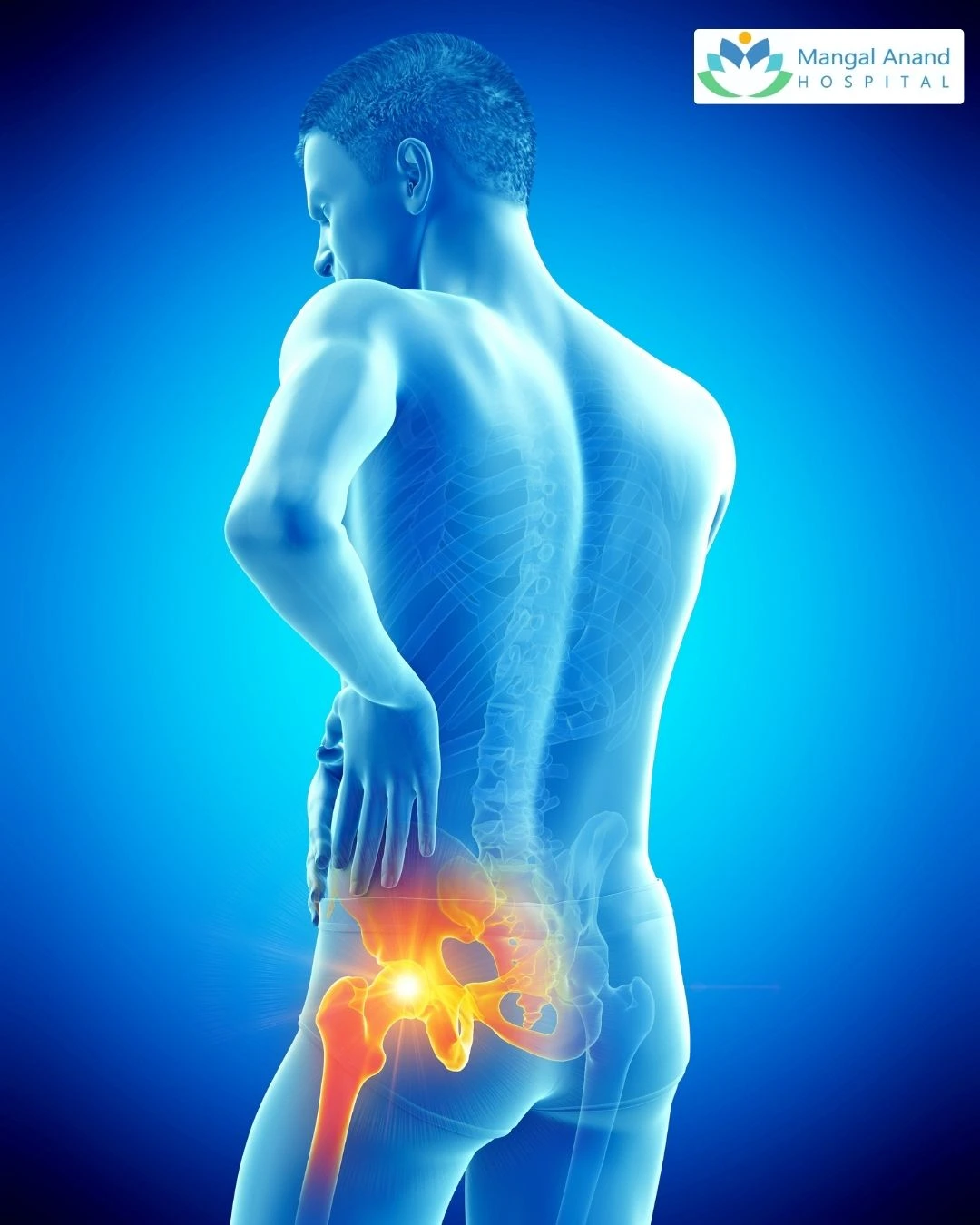
Hip replacement surgery, also known as hip arthroplasty, is a procedure performed to replace damaged portions of the hip joint with artificial implants. The primary aim is to relieve pain, improve joint function, and restore mobility when the natural joint has been severely affected by arthritis, injury, or other degenerative conditions.
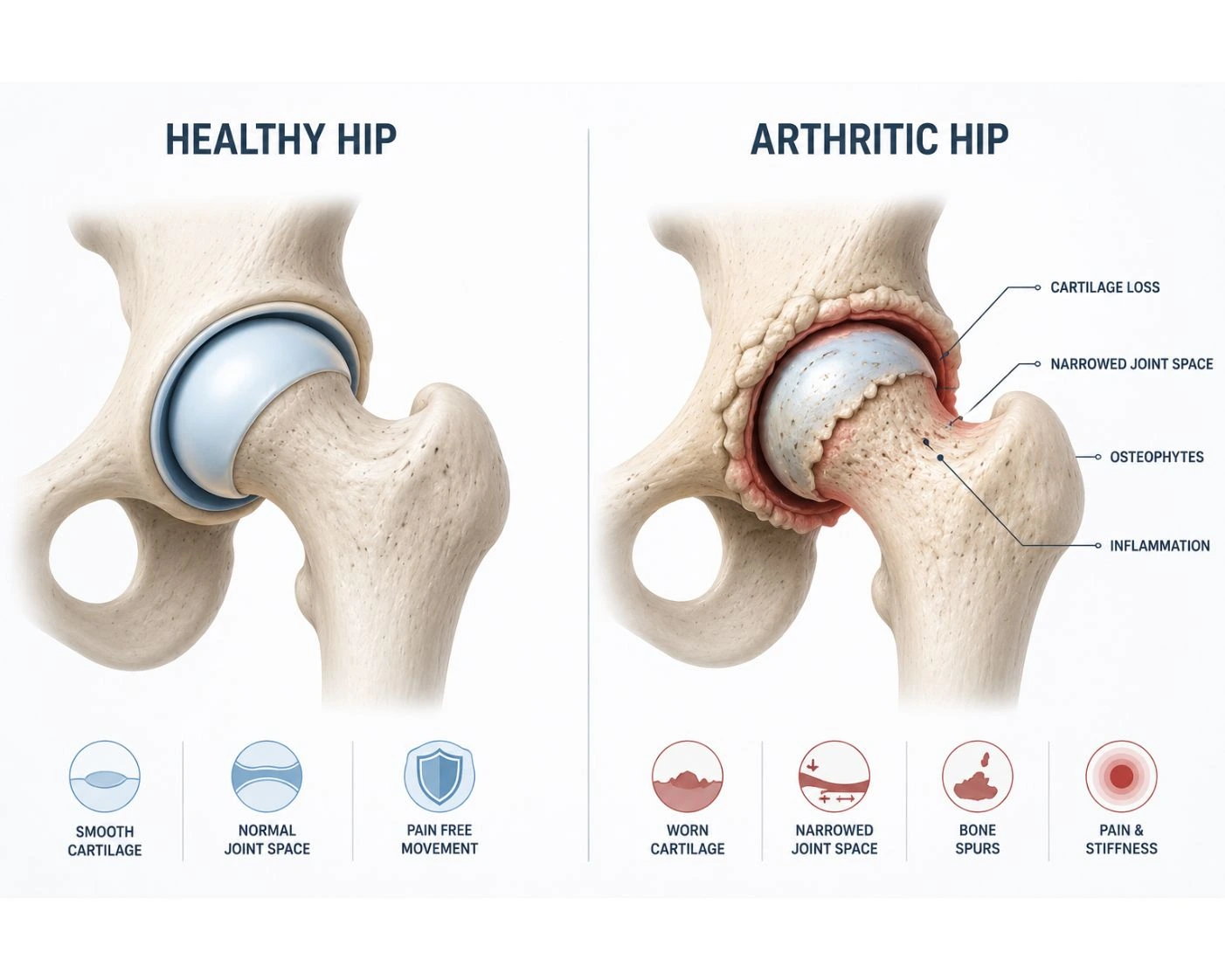
A healthy hip allows smooth movement during walking, sitting, climbing stairs, bending, and standing. This movement is possible because the joint surfaces are covered with smooth cartilage that enables the bones to glide without friction. As cartilage wears away, the bones begin to rub against each other, leading to pain, stiffness, inflammation, and progressive loss of movement.
Many patients manage these symptoms successfully for years with non-surgical treatment. However, when hip pain continues despite physiotherapy, medications, activity modification, and other conservative measures, joint replacement may become an appropriate treatment option.
Hip replacement surgery is one of the most established procedures in modern orthopaedics. Advances in surgical techniques, implant design, anaesthesia, and rehabilitation have significantly improved patient outcomes over the past few decades. Nevertheless, surgery is never considered a routine solution. Every recommendation is made after carefully evaluating the individual's symptoms, clinical examination, imaging findings, and overall health.
Patients from Chembur, Ghatkopar, Kurla, Sion, Wadala, Navi Mumbai, Thane, and across Mumbai visit Mangal Anand Hospital for assessment and personalised treatment of hip conditions. The emphasis remains on helping patients understand their diagnosis clearly so they can make informed decisions regarding their care.
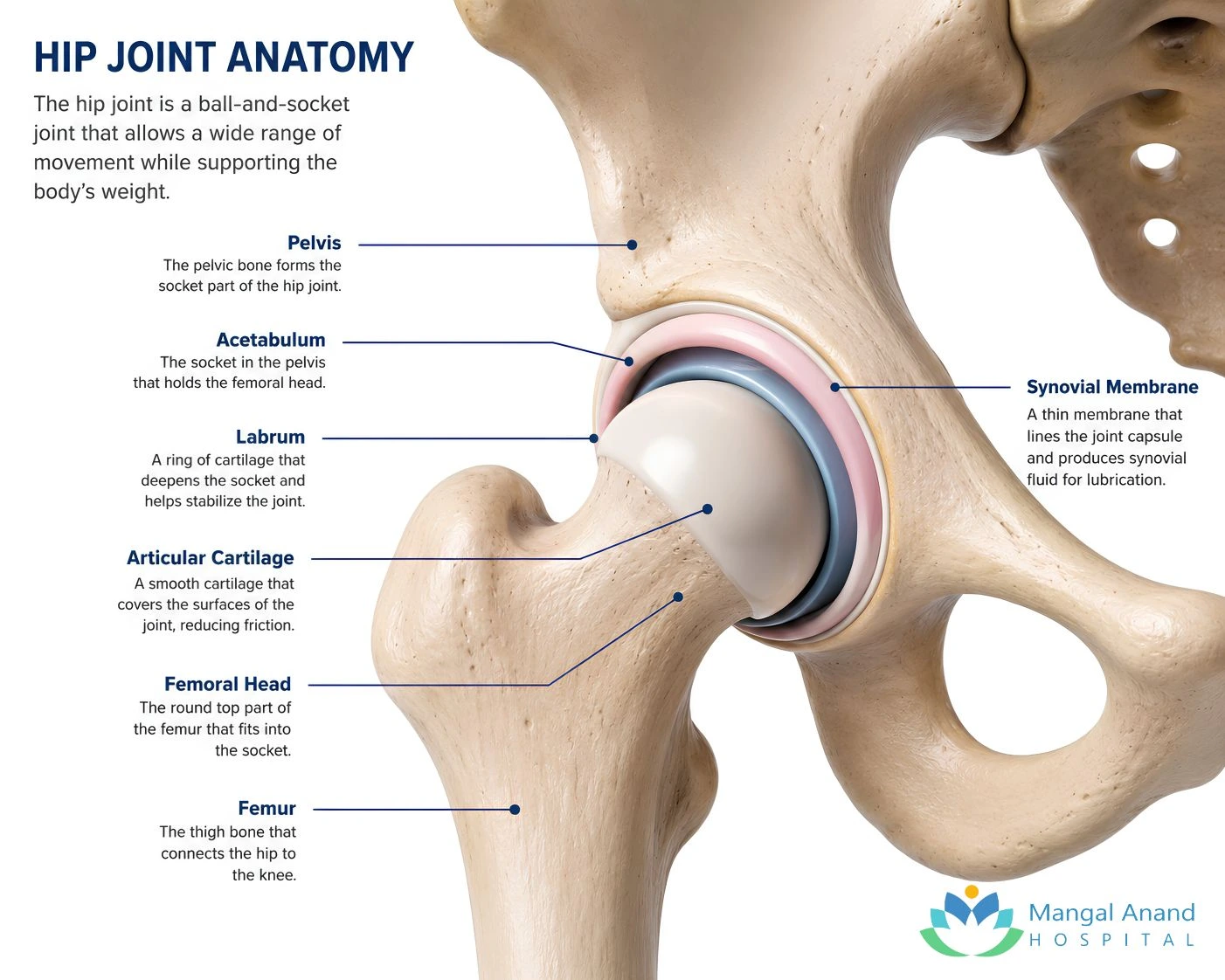
Before understanding why hip replacement may become necessary, it helps to know how the hip functions.The hip is one of the largest weight-bearing joints in the body. Every step, climb, bend, or change in direction places significant forces across the joint. Despite these demands, a healthy hip allows smooth, stable movement with very little friction.
The hip is a ball-and-socket joint formed by three bones:
The rounded head of the femur fits into the cup-shaped acetabulum, allowing movement in multiple directions while maintaining stability.
Several specialised structures work together to keep the joint functioning normally:
When cartilage gradually wears away because of arthritis or becomes damaged after injury, the joint loses its smooth gliding surface. As the protective cartilage becomes thinner, increased friction develops between the bones. This may eventually lead to inflammation, stiffness, reduced range of motion, muscle weakness, and persistent pain.
Understanding these changes helps explain why some patients improve with conservative treatment, while others eventually require joint replacement when structural damage becomes advanced.
Hip replacement surgery at Mangal Anand Hospital is performed by an experienced team of orthopaedic surgeons with expertise in joint replacement, complex trauma, sports injuries, and reconstructive surgery.
Dr. Milind Sawant is the primary consultant for hip replacement surgery at Mangal Anand Hospital. With orthopaedic training in both India and the United Kingdom, he brings extensive experience in joint replacement and reconstructive orthopaedic surgery.
His qualifications include FRCS (Orthopaedics), FRCS (Edinburgh), FRCS (Glasgow), DNB Orthopaedics, FCPS, MS Orthopaedics and D.Orth. He has completed advanced fellowships in Knee & Sports Medicine in England, Knee Surgery in Australia, and Revision Knee Replacement in Germany and the USA.
In addition to clinical practice, Dr. Sawant has served as faculty for programmes that train orthopaedic surgeons in arthroscopy, knee replacement and fracture management. He has authored numerous peer-reviewed publications and presented research at national and international orthopaedic meetings.

Dr. Nikhil Gokhale completed his orthopaedic training at KEM Hospital before pursuing advanced fellowship training in the United Kingdom. His qualifications include FRCS (Trauma & Orthopaedics), MRCS (Edinburgh), and specialised fellowship training in joint replacement and shoulder surgery.
His expertise includes hip replacement, knee replacement, shoulder replacement, arthroscopy, and sports injury management. As part of the orthopaedic team at Mangal Anand Hospital, Dr. Gokhale contributes to the comprehensive assessment and management of patients requiring joint replacement surgery.

Dr. Pradip Nemade holds an MBBS, MS (Orthopaedics), and DNB (Orthopaedics). His clinical practice includes joint replacement surgery, complex trauma, pelvis and acetabular injuries, shoulder disorders, hip conditions, and sports injuries.
With extensive experience in managing both elective and trauma-related orthopaedic conditions, Dr. Nemade plays an important role in the multidisciplinary joint replacement team. His approach combines careful clinical evaluation with treatment plans tailored to each patient's functional needs and long-term recovery goals

Hip replacement surgery involves removing the damaged portions of the hip joint and replacing them with specially designed artificial components that recreate the natural movement of the joint.
During surgery:
The implants are manufactured from durable materials such as metal alloys, ceramic, and highly cross-linked polyethylene. Together, these components allow the hip to move more smoothly while reducing the pain caused by damaged joint surfaces.
The goal of surgery is not simply to replace bone. It is to restore comfortable movement, improve stability, reduce pain, and help patients regain independence in daily activities.
Although hip replacement is highly successful for appropriately selected patients, surgery is recommended only after careful clinical assessment. Factors such as age, activity level, bone quality, medical conditions, imaging findings, and functional limitations are all considered before deciding whether surgery is the most suitable treatment.
Hip replacement is not a disease itself—it is a treatment for advanced damage affecting the hip joint.
Several conditions may progressively damage cartilage, bone, or both, eventually making joint replacement a reasonable option.
Osteoarthritis is the most common reason patients undergo hip replacement surgery. Over time, the protective cartilage lining the joint gradually wears away. Without this cushioning layer, bone begins to rub against bone, causing pain, stiffness, inflammation, and loss of movement. Although osteoarthritis is more common with increasing age, previous injuries, obesity, repetitive stress, genetics, and certain anatomical factors may also contribute.
Unlike osteoarthritis, rheumatoid arthritis is an autoimmune disease. The body's immune system mistakenly attacks the synovial membrane surrounding the joint, causing chronic inflammation. Persistent inflammation gradually damages cartilage, bone, and surrounding tissues, sometimes leading to severe joint destruction.
Avascular necrosis develops when the blood supply to the femoral head becomes disrupted. Without adequate blood flow, bone tissue weakens and may eventually collapse, altering the shape of the joint and accelerating arthritis.
Potential causes include:
Some fractures involving the neck of the femur can significantly damage the hip joint. Depending on the patient's age, bone quality, fracture pattern, and overall health, hip replacement may offer better long-term function than repairing the fractured bone alone.
Even after a fracture or hip dislocation has healed, the joint may gradually develop arthritis over subsequent years.Previous injury can alter joint alignment, damage cartilage, and increase wear, eventually resulting in persistent pain and stiffness.
Hip dysplasia occurs when the socket does not adequately cover the femoral head.
Because weight is distributed unevenly across the joint, cartilage tends to wear out earlier than normal, increasing the likelihood of arthritis developing at a younger age.
Hip pain often develops gradually. Many patients unconsciously change the way they walk, avoid certain activities, or reduce their daily routine long before seeking medical advice.
Common symptoms include:
These symptoms do not necessarily mean surgery is required. However, persistent pain, progressive stiffness, or worsening mobility should be evaluated by an orthopaedic surgeon to determine the underlying cause and discuss appropriate treatment options.
Not every patient with hip pain requires hip replacement surgery. Many conditions can produce similar symptoms, including muscle injuries, tendon disorders, bursitis, lower back problems, and early arthritis. Before recommending surgery, an orthopaedic surgeon performs a thorough evaluation to identify the exact cause of pain and determine whether joint replacement is the most appropriate treatment.
At Mangal Anand Hospital, the assessment focuses on understanding why the hip is painful, how severely the joint is affected, and whether non-surgical treatment remains a suitable option. This structured approach helps ensure that surgery is recommended only when clinically appropriate.
The evaluation begins with a detailed discussion about the patient's symptoms and medical history.
Your orthopaedic surgeon may ask questions such as:
Understanding how pain affects daily life often provides valuable information about the severity of joint disease.
The physical examination usually includes assessment of:
These findings help correlate symptoms with imaging studies and guide further investigations.
Clinical examination is usually combined with imaging to assess the condition of the hip joint.
X-rays are typically the first investigation performed.
They help identify:
For many patients with advanced osteoarthritis, X-rays provide sufficient information for diagnosis and treatment planning.
An MRI is not required for every patient. However, it may be recommended when symptoms suggest conditions affecting the cartilage, labrum, tendons, muscles, or early avascular necrosis that may not be clearly visible on X-rays.
MRI is particularly useful when:
A CT scan may occasionally be advised for complex hip conditions. It provides detailed information about bone anatomy and may be helpful when planning surgery for:
CT scans are not routinely required for every patient undergoing hip replacement.
Hip replacement is not a single operation. The most appropriate procedure depends on the underlying condition, the extent of joint damage, previous surgeries, and individual patient factors.
Total Hip Replacement is the most commonly performed type of hip replacement surgery.
During this procedure:
This procedure is commonly performed for:
Partial hip replacement involves replacing only the femoral head while preserving the natural socket.
It is most commonly performed in selected patients with certain hip fractures where the acetabulum remains healthy. Not every fracture requires this procedure, and suitability depends on factors such as age, bone quality, activity level, and fracture pattern.
Revision hip replacement is performed when a previous hip replacement requires replacement or correction.
Possible reasons include:
Revision surgery is generally more complex than primary hip replacement and requires careful pre-operative planning.
In many patients, the answer is yes, at least for a period of time.
Hip replacement is generally considered only after appropriate conservative treatment has been explored. For patients with mild or moderate joint disease, non-surgical management can often reduce pain, improve function, and delay the need for surgery.
The goal of conservative treatment is not simply pain relief but maintaining mobility and quality of life for as long as possible.
Whether surgery can be avoided depends on several factors, including:
Some patients continue to function well for years without surgery, while others develop progressive joint damage despite appropriate non-operative care.
Treatment is individualised based on the underlying diagnosis, severity of symptoms, and functional limitations.
Physiotherapy is often one of the first treatments recommended.
A structured rehabilitation programme focuses on:
Although physiotherapy cannot regenerate damaged cartilage, stronger muscles often improve joint stability and reduce pain during daily activities.
Simple changes in daily activities may reduce stress on the hip joint.
Patients may be advised to:
These measures often help manage symptoms without completely limiting activity.
The hip is one of the body's primary weight-bearing joints. Maintaining a healthy body weight reduces the load transmitted across the joint during walking and standing. Even modest weight reduction may improve symptoms in patients with hip arthritis.
Pain-relieving medication and anti-inflammatory drugs may be prescribed to improve comfort during daily activities.These medications help manage symptoms but do not reverse cartilage loss or prevent progression of arthritis.Medication should always be used under medical supervision, particularly in older adults or patients with other medical conditions.
For some patients, using a walking stick or walker temporarily reduces stress on the affected hip.
These aids may:
In selected patients, image-guided injections may be considered as part of non-surgical management.
These injections may provide temporary symptom relief in carefully selected cases but are not a permanent solution for advanced joint degeneration.Whether an injection is appropriate depends on the patient's diagnosis, imaging findings, and overall treatment plan.
Once hip replacement surgery has been recommended, careful preparation helps improve both the safety of the procedure and the recovery that follows. Preparation is not limited to the day of surgery. It begins weeks beforehand and involves evaluating overall health, planning rehabilitation, and helping patients understand what to expect.
At Mangal Anand Hospital, pre-operative planning is an important part of treatment. The orthopaedic team ensures that patients have a clear understanding of the procedure, expected recovery, and the role they will play in achieving the best possible outcome.
A comprehensive pre-operative assessment helps determine whether a patient is medically fit to undergo surgery and anaesthesia. This evaluation may include:
If required, additional opinions from physicians or anaesthetists may be obtained before surgery to optimise the patient's overall health.
Certain medications may need adjustment before surgery.
For example:
Patients should always inform their surgeon about:
Simple lifestyle measures before surgery can contribute to a smoother recovery.
These may include:
Even small improvements in general health before surgery may positively influence recovery.
Recovery continues after discharge from hospital. Making a few practical changes beforehand can make the early weeks more comfortable.
Patients are often advised to:
Planning these details before surgery helps patients focus on rehabilitation after returning home.
After anaesthesia has been administered, an incision is made to access the hip joint. The surrounding tissues are carefully handled to expose the damaged joint while preserving important muscles, nerves, and blood vessels.
The worn femoral head is removed.The damaged cartilage and diseased bone within the acetabulum are carefully prepared to receive the artificial components.This removes the surfaces responsible for pain and restricted movement.
The artificial socket is secured within the pelvis. A stem is then positioned within the femur, followed by attachment of the artificial femoral head.Throughout the procedure, careful attention is paid to:
Before closing the incision, the surgeon checks that the reconstructed joint moves smoothly and remains stable through different movements.Once satisfactory positioning has been confirmed, the incision is closed and dressings are applied.Patients are then transferred to the recovery area for monitoring before returning to their room.
.
Recovery begins soon after surgery.Although every patient's recovery is different, early mobilisation and structured rehabilitation play an important role in restoring movement and reducing complications associated with prolonged bed rest. The focus during recovery is gradual, steady progress rather than rapid return to activity.
Most patients spend a short period in hospital following surgery.
During this time, the healthcare team monitors:
Patients are encouraged to begin gentle movement under supervision once it is medically appropriate.
One of the most important parts of modern hip replacement care is early mobilisation.
With guidance from the rehabilitation team, patients gradually begin:
Early movement helps improve circulation, restore confidence, and support functional recovery.
Surgery replaces the damaged joint, but rehabilitation helps patients regain strength, flexibility, balance, and confidence.Rehabilitation commonly focuses on:
Progress varies between individuals depending on:
Most patients notice gradual improvement over several months.
Recovery is different for every individual. The following timeline provides a general idea of what patients may expect.
Patients usually begin:
Many patients gradually become more comfortable with:
Walking aids may still be required during this stage.
As recovery progresses, patients generally continue improving in:
Returning to work, driving, or recreational activities depends on individual progress and should follow the advice of the treating orthopaedic surgeon.It is important to remember that recovery timelines vary from person to person. Regular follow-up appointments allow the orthopaedic team to monitor progress and guide rehabilitation appropriately.
For appropriately selected patients, hip replacement surgery may provide significant improvements in daily function and quality of life.
Potential benefits include:
Individual outcomes vary, and the extent of improvement depends on factors such as the underlying condition, general health, rehabilitation, and patient expectations.
Like any major surgical procedure, hip replacement carries potential risks. Although serious complications are uncommon, patients should understand them before making an informed treatment decision.
Possible risks include:
Every surgical recommendation involves balancing the expected benefits against these potential risks.
During consultation, the orthopaedic surgeon discusses how these risks relate to each patient's individual medical condition, helping patients make an informed decision based on their own circumstances rather than general statistics.
For many patients, the greatest benefit of hip replacement is not simply pain relief but the ability to return to activities that had gradually become difficult.
Following recovery, many patients are able to:
Protecting the new joint remains important. Maintaining a healthy body weight, staying physically active, attending follow-up appointments, and following medical advice all contribute to long-term joint function.
For most people, hip replacement represents the beginning of a new phase of mobility rather than the end of an active lifestyle.
Choosing where to undergo hip replacement surgery is an important decision. While the procedure itself is well established, successful outcomes depend on accurate diagnosis, appropriate patient selection, surgical expertise, and structured rehabilitation.
At Mangal Anand Hospital, Chembur, hip replacement surgery is approached as a personalised treatment rather than a standard procedure. Every patient undergoes a comprehensive evaluation to understand the cause of hip pain, assess the extent of joint damage, and determine whether surgery is the most appropriate treatment option.
Our orthopaedic team manages a wide range of hip conditions, including osteoarthritis, rheumatoid arthritis, avascular necrosis, hip fractures, post-traumatic arthritis, and revision joint replacement. Treatment plans are developed after considering the patient's symptoms, imaging findings, overall health, activity level, and personal expectations.
Patients also benefit from coordinated care that extends beyond the operation itself. From diagnosis and surgical planning to rehabilitation and follow-up, the focus remains on helping individuals regain mobility safely and confidently.
Some reasons patients choose Mangal Anand Hospital include:
Hip replacement surgery is a procedure in which damaged parts of the hip joint are replaced with artificial implants to relieve pain and improve movement when the natural joint has been severely affected by arthritis, injury, or other conditions.
It may be recommended when persistent hip pain, stiffness, and reduced mobility continue despite appropriate non-surgical treatment, and imaging confirms significant joint damage.
Many patients benefit from physiotherapy, medications, activity modification, weight management, and other conservative treatments. Surgery is considered only when these measures no longer provide adequate relief.
The duration varies depending on the complexity of the procedure and the patient's condition. Your orthopaedic surgeon will discuss what to expect during your consultation.
Most patients begin standing and walking with assistance soon after surgery, depending on their overall condition and recovery.
Recovery varies from person to person. Factors such as age, general health, rehabilitation, and the underlying condition all influence the recovery timeline.
The procedure is performed under anaesthesia, so patients do not experience pain during surgery. Some discomfort during recovery is expected and is managed with medication and rehabilitation.
Modern implants are designed to function for many years. Longevity depends on several factors, including patient activity level, bone quality, overall health, and regular follow-up.
Yes. Depending on the individual's condition, replacement may be performed on one hip or both hips. The timing is determined after clinical evaluation.
The timing varies depending on recovery, strength, mobility, and your surgeon's assessment. Driving should only be resumed after medical clearance.
Yes. Rehabilitation plays an important role in restoring movement, improving muscle strength, and helping patients return to everyday activities.
Possible risks include infection, blood clots, dislocation, implant loosening, fracture around the implant, and the need for revision surgery. These risks are discussed individually during consultation.
Most patients gradually return to climbing stairs as strength and mobility improve during rehabilitation.
Whether this is appropriate depends on the individual patient, the type of surgery performed, and recovery. Your surgeon will advise you during follow-up.
No. The decision depends on symptoms, imaging findings, joint damage, functional limitations, overall health, and response to conservative treatment—not age alone.