


Highly experienced doctors
Internationally recognized team of doctors with modern equipment & services

Shoulder arthroscopy is a minimally invasive orthopaedic procedure used to diagnose and treat problems inside the shoulder joint through very small incisions. During the procedure, a thin instrument called an arthroscope is inserted into the shoulder. It contains a high-resolution camera and light source that allows the surgeon to view the joint clearly on a monitor and perform precise treatment using specialised instruments.Because the procedure is performed through small incisions, it usually causes less tissue damage than open surgery. Patients often experience less postoperative pain, smaller scars, and a faster return to daily movement.At Mangal Anand Hospital in Chembur, shoulder arthroscopy is commonly performed for rotator cuff injuries, recurrent shoulder dislocation, labral tears, frozen shoulder, and impingement-related shoulder pain.
Shoulder arthroscopy is recommended when shoulder pain, weakness, or restricted movement continues despite medication, physiotherapy, or rest. It is often advised that when imaging studies, such as MRI, show internal damage that may require surgical treatment.This procedure allows direct visualisation of the joint and treatment during the same sitting.
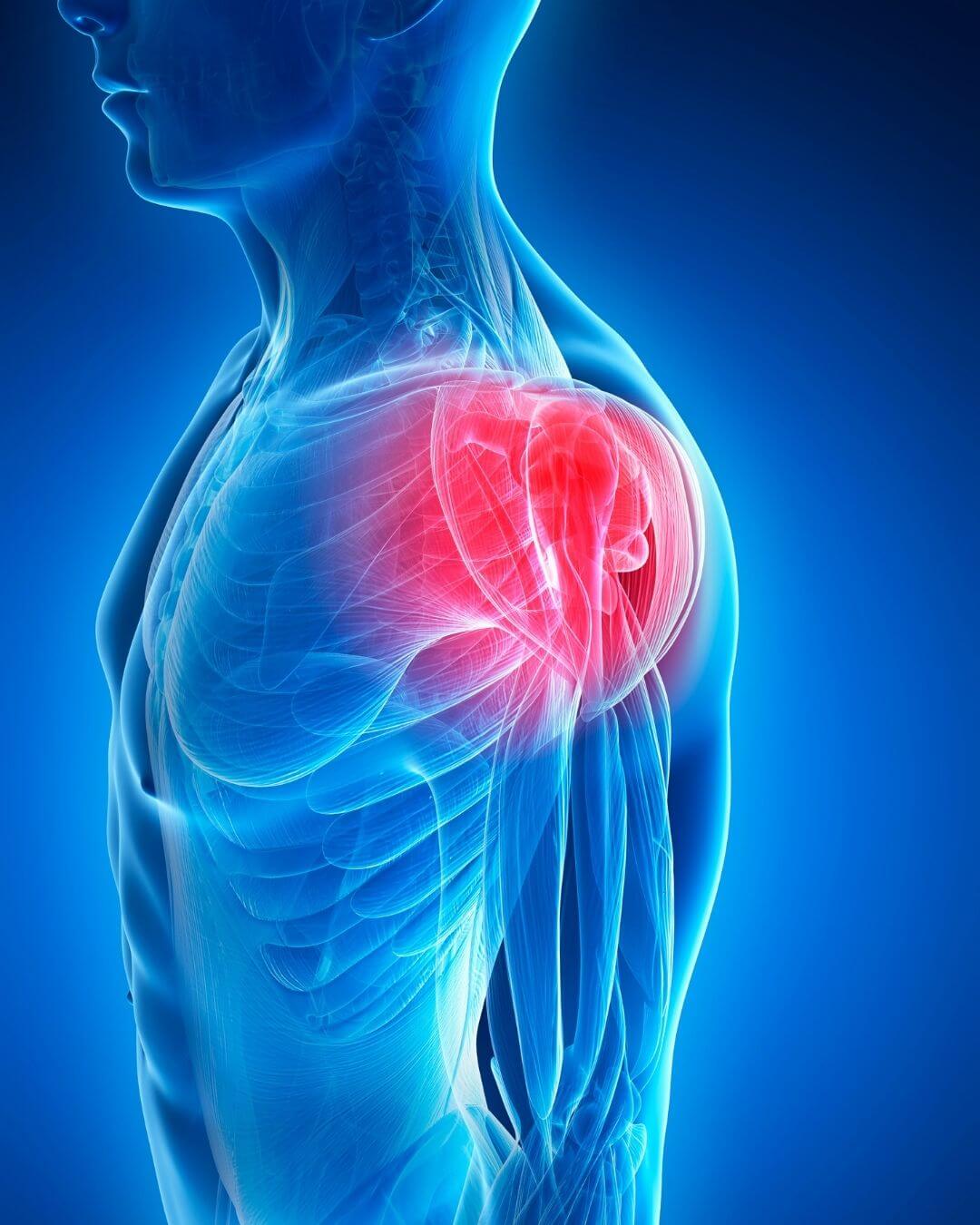
A patient may require shoulder arthroscopy when symptoms continue to affect daily activities, sleep, work, or sports.
Common symptoms include:
These symptoms may indicate rotator cuff damage, labral injury, instability, or inflammation inside the shoulder joint.
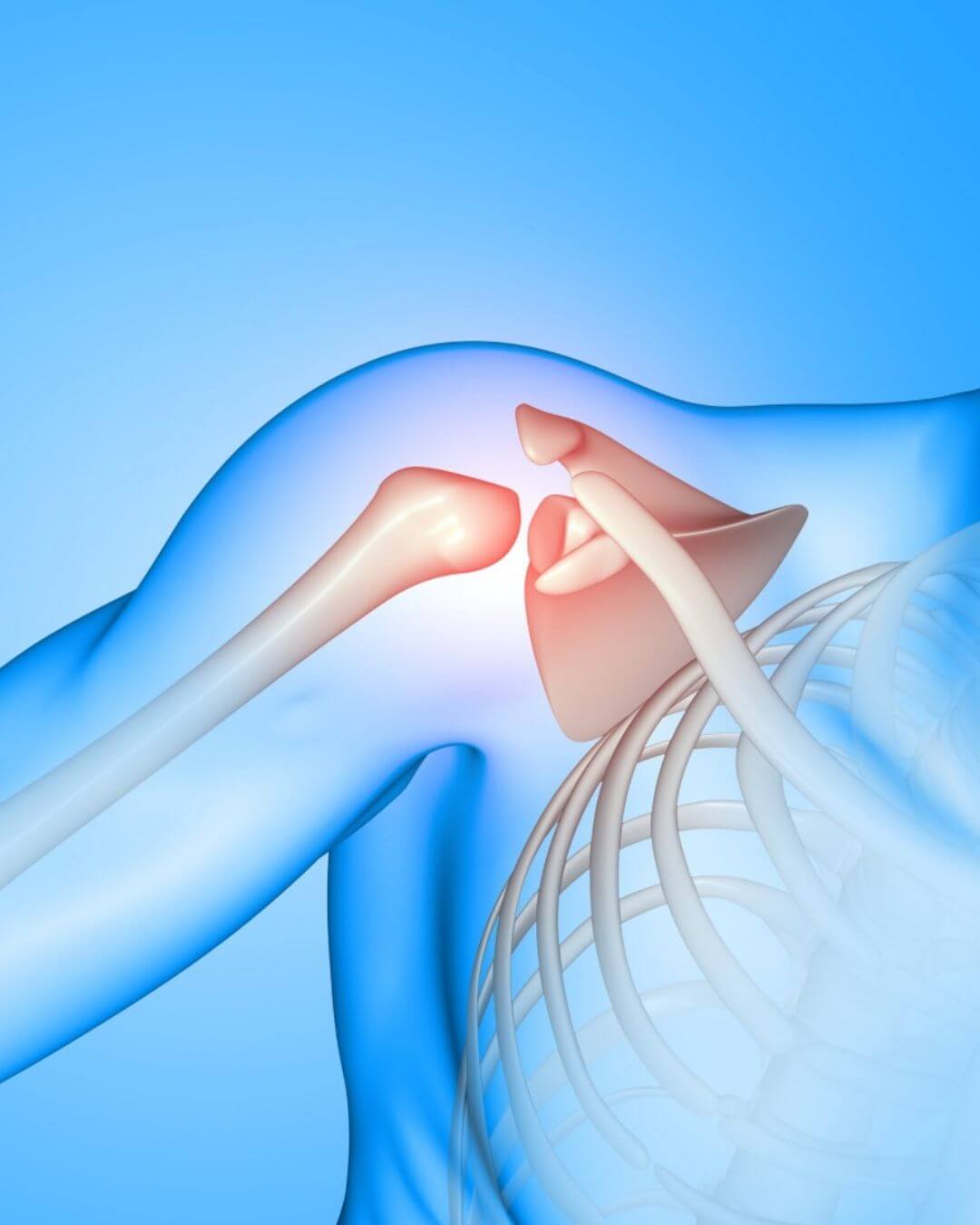
The shoulder is one of the most mobile joints in the body. Because it allows movement in many directions, it is also more vulnerable to instability, tendon injury, and wear-related problems.The shoulder joint depends on muscles, tendons, cartilage, and ligaments working together for smooth and stable movement.
The rotator cuff is formed by four tendons that help keep the arm bone centred within the shoulder socket during movement.The labrum is a strong cartilage ring that deepens the socket and improves shoulder stability.Damage to either structure can lead to pain, weakness, instability, and difficulty lifting the arm.
Shoulder injuries may affect reaching overhead, lifting objects, dressing, combing hair, or sleeping comfortably.If left untreated, some shoulder problems can gradually worsen and lead to persistent stiffness or weakness.
Shoulder arthroscopy is usually performed in an operating room under sterile conditions. Most procedures are done as day-care surgery.
Before surgery, the doctor reviews symptoms, examination findings, MRI reports, and medical history.Patients may be advised to stop certain medicines before surgery and remain fasting depending on anaesthesia requirements.
The procedure generally follows these steps:
The duration depends on the condition being treated.
Shoulder arthroscopy may be performed under:
The anaesthesia plan is decided after evaluating the patient's needs.
Rotator cuff repair is commonly performed arthroscopically when tendon tears cause pain and weakness. Sutures and anchors are used to reattach the tendon to the bone.
Labral repair helps restore stability in patients with repeated shoulder dislocation or sports-related instability.
Arthroscopy can release tight capsule tissue in frozen shoulder and remove inflamed tissue or bone spurs causing impingement.

Shoulder arthroscopy may benefit patients who have:
It is usually advised when non-surgical treatment has not provided adequate relief.
Your recovery is just as important as the surgery itself. How long it takes and what you need to do will depend on the procedure you had. For example, recovery from a simple diagnostic arthroscopy is usually quicker than recovery from a rotator cuff repair. We will give you a clear plan to follow at every step.
If you have had a tendon or labral repair, you will need to wear a sling to keep your shoulder stable while it begins to heal. Your surgeon will tell you exactly when and how long to wear it. In some cases, you may need it full time for the first few weeks. In others, it may only be needed while sleeping or when you are in crowded places. Following these instructions is important to protect the repair.
Physiotherapy is a essential part of your recovery. A structured, step by step rehabilitation plan will help you:
- Regain movement gently in the early weeks
- Rebuild strength as healing progresses
- Get back to your daily activities, work, or sport
Our physiotherapists will work closely with your surgeon to make sure your recovery stays on course.
Recovery times vary from person to person. However, here is a general idea of what to expect:Returning to desk work:Usually within a few days to 2 weeks
Driving:Generally after 4 to 6 weeks, once you have enough strength and control
Full recovery:For minor procedures, you may be back to normal activities within 6 weeks. For more complex repairs like rotator cuff surgery, it typically takes 4 to 6 months of rehabilitation before returning to sports or heavy lifting
How quickly you recover depends on two main things:
how well your body heals, and how consistently you follow your rehabilitation exercises. The exercises you do after surgery play a big role in your final outcome.
Contact your doctor if you experience:
Internationally recognized team of doctors with modern equipment & services

Get all your medical care under one roof with state-of-the-art facilities and equipment

Patient comfort and safety, with a clean and hygienic environment and 24/7 nursing care


The procedure is performed under anaesthesia. Mild pain after surgery is expected and managed with medication.
Most procedures take between 45 minutes and 2 hours, depending on complexity.
When can I move my arm after surgery?
Movement depends on the repair performed. Some exercises begin early under guidance.
Physiotherapy duration varies from a few weeks to several months, depending on the condition treated.