


Highly experienced doctors
Internationally recognized team of doctors with modern equipment & services

Arthroscopy is a minimally invasive orthopaedic procedure used to diagnose and treat problems inside a joint. During the procedure, an orthopaedic surgeon inserts a thin instrument called an arthroscope through a small incision. The arthroscope contains a high-resolution camera and light source that allows the surgeon to clearly view the structures inside the joint on a monitor.Because the procedure uses very small incisions, arthroscopy causes less tissue damage compared with traditional open surgery. Patients usually experience less pain, faster recovery, and improved joint function after treatment.
At Mangal Anand Hospital in Chembur, arthroscopy surgery is commonly performed to treat knee injuries, shoulder injuries, ligament tears, and cartilage damage. The procedure helps patients return to daily activities, sports, and work with better mobility and reduced joint pain.
Arthroscopy is a surgical technique used by orthopaedic surgeons to examine and treat conditions affecting the joints. The arthroscope is inserted through a small incision, usually about the size of a buttonhole. The camera transmits detailed images to a screen, allowing the surgeon to carefully examine cartilage, ligaments, tendons, and bone surfaces.If a problem is identified, special surgical instruments can be inserted through additional small incisions to repair the damaged structures.This approach allows doctors to both diagnose and treat joint problems during the same procedure while preserving healthy tissues around the joint.
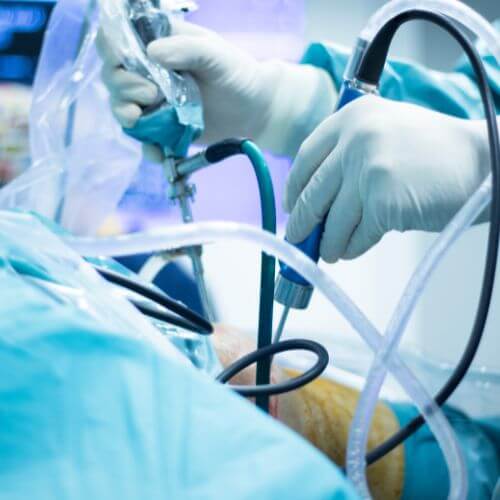
During arthroscopy surgery, the surgeon inserts the arthroscope into the joint through a small incision. The device contains fibre-optic lighting and a miniature camera that provides a clear view of the joint interior.Sterile fluid is sometimes introduced into the joint to expand the space and improve visibility. Additional instruments can then be inserted to perform repairs such as trimming torn cartilage, reconstructing ligaments, or removing loose fragments.Because the incisions are small, the procedure causes minimal disruption to surrounding tissues.
Arthroscopy can be performed on several joints in the body. The most commonly treated joints include:
Knee arthroscopy and shoulder arthroscopy are among the most frequently performed orthopaedic procedures, particularly for sports injuries and ligament damage.
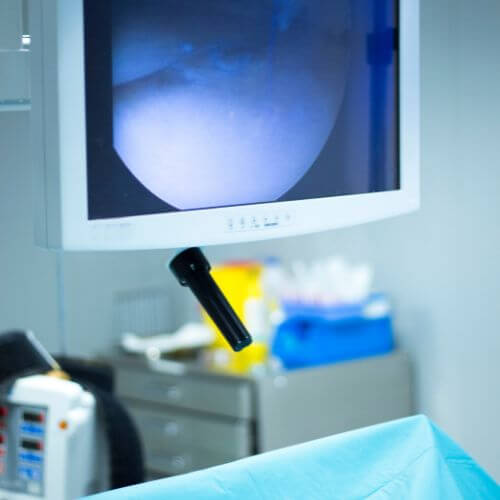
Arthroscopy is recommended when joint pain or injury does not improve with non-surgical treatment such as medication, physiotherapy, or rest. It may also be used when imaging tests like X-rays or MRI scans do not provide enough information about the condition of the joint.The procedure allows doctors to identify the exact cause of joint pain and perform treatment at the same time.
Meniscus Tear TreatmentA meniscus tear is one of the most common knee injuries. Arthroscopic surgery allows surgeons to repair or trim the torn meniscus while preserving healthy cartilage in the knee joint.
ACL Injury TreatmentAnterior cruciate ligament (ACL) injuries often occur during sports activities or accidents. Arthroscopic ACL reconstruction helps restore knee stability and allows patients to return to normal activities.
Rotator Cuff Tear RepairRotator cuff injuries are a common cause of shoulder pain and weakness. Shoulder arthroscopy can repair torn tendons and restore shoulder movement.
Cartilage Damage TreatmentCartilage damage within the joint can lead to pain, swelling, and stiffness. Arthroscopy allows surgeons to smooth damaged cartilage or remove loose fragments that interfere with joint movement.
Joint Inflammation TreatmentInflammation of the joint lining, known as synovitis, can cause swelling and discomfort. Arthroscopy can remove inflamed tissue and improve joint function.
Removal of Loose Bone or Cartilage FragmentsSmall fragments of bone or cartilage may float inside the joint and cause locking or pain. Arthroscopy allows surgeons to safely remove these fragments.
Patients may benefit from arthroscopy if they experience symptoms such as:
Early consultation with an orthopaedic specialist helps determine whether arthroscopy is the right treatment option.
Different joints may require different arthroscopic procedures depending on the injury or condition affecting the patient.



Arthroscopy provides several advantages compared with traditional open surgery.
Because of these benefits, arthroscopy has become a preferred treatment method for many joint injuries
Although uncommon, infection may occur around the incision site or inside the joint.
Blood clots may occasionally develop in the legs after surgery. Early movement and medication may help reduce this risk.
In rare cases, nearby nerves or tissues may be irritated during the procedure.
Some patients may experience temporary swelling or stiffness after surgery, which usually improves with physiotherapy.
Recovery after arthroscopy is usually quicker than recovery after open joint surgery.
Patients may experience mild swelling or discomfort around the joint. Rest, ice, compression, and elevation can help reduce swelling and pain.
Physiotherapy helps restore joint movement and strengthen surrounding muscles. A structured rehabilitation program supports safe recovery.
Many patients can return to light activities within a few days. Full recovery may take several weeks, depending on the type of procedure and the patient’s overall health.
Patients should contact their doctor if they experience:
Prompt medical care helps prevent complications.
Internationally recognized team of doctors with modern equipment & services

Get all your medical care under one roof with state-of-the-art facilities and equipment

Patient comfort and safety, with a clean and hygienic environment and 24/7 nursing care


