


Highly experienced doctors
Internationally recognized team of doctors with modern equipment & services

Children’s bones, joints, muscles, and growth plates are different from those of adults and need specialised orthopaedic attention during every stage of growth.
At Mangal Anand Hospital, we provide paediatric orthopaedic evaluation and treatment for infants, children, and adolescents with bone, joint, spine, and limb conditions.
Our team manages both common and complex childhood orthopaedic problems, including congenital deformities, fractures, walking abnormalities, sports injuries, and growth-related disorders.Early diagnosis is important because many childhood orthopaedic conditions respond better when treated during the growing years.
Parents often seek paediatric orthopaedic consultation when a child has persistent pain, limping, delayed walking, visible deformity, or repeated injuries.Many families from Chembur, Ghatkopar, Tilak Nagar, Govandi, and nearby areas visit Mangal Anand Hospital because early treatment often improves long-term bone and joint development.
Children are commonly brought for orthopaedic consultation for both developmental and injury-related problems. Some conditions only need observation during growth, while others need active treatment to prevent long-term deformity or walking difficulty.Frequently evaluated conditions include:clubfootflat feetknock kneesbow legstoe walkingdelayed walkinghip dysplasialimb length differencescoliosischild fracturessports injuries
Clubfoot is a congenital condition in which the foot turns inward and downward at birth. Early treatment is important because untreated clubfoot can affect walking and long-term foot development.Treatment may include:
- Serial casting
- Ponseti technique
- Bracing
- Stretching protocols
- Corrective surgery when required
Early correction usually gives excellent long-term results. Some children with recurrent or relapsed clubfoot may need prolonged bracing, tendon procedures, or corrective surgery depending on foot stiffness and age at presentation.
Some children are brought for orthopaedic evaluation because they begin walking later than expected, limp during activity, or show an unusual walking pattern. These symptoms may indicate underlying problems involving the hips, legs, feet, or muscle balance.Toe walking, frequent tripping, uneven walking, or favouring one leg should not be ignored, especially if symptoms continue beyond the expected age of normal development. Early orthopaedic assessment helps identify whether the cause is related to foot posture, limb alignment, hip disorders, or neuromuscular conditions.Children with persistent limping or gait changes often benefit from early diagnosis because delayed treatment may affect posture, joint loading, and long-term movement.
Knock knees and bow legs are common alignment concerns during growth. In many children, these improve naturally, but persistent or severe deformity needs orthopaedic evaluation.
Children may require monitoring if:
- Knees remain excessively inward or outward beyond the expected age
- One leg appears more affected than the other
- The walking pattern is altered
Treatment depends on age, severity, and growth remaining.
Flat feet are common in young children and often improve naturally with growth. However, some children develop pain, fatigue, or difficulty walking.
Walking-related concerns that need assessment include:
- flat feet
- toe walking
- in-toeing
- out-toeing
- frequent tripping
Some children improve with observation, while others benefit from exercises, footwear support, or orthotics. Flat feet that remain painful, rigid, or associated with fatigue during walking may need orthopaedic assessment to rule out underlying structural causes.
Children frequently sustain fractures during play, falls, and sports activities. Because growing bones behave differently, treatment must protect future bone growth.
We manage:
- wrist fractures
- elbow fractures
- forearm fractures
- growth plate injuries
- sports-related knee injuries
Most fractures heal well with proper immobilisation, but unstable injuries may require fixation.
Scoliosis causes abnormal sideways curvature of the spine and often becomes visible during school age or adolescence.
Parents may notice:
- Uneven shoulders
- One side of the back appears prominent
- Uneven waistline
Early diagnosis helps prevent progression during growth.
Limping in children should never be ignored because it may indicate underlying hip or bone problems.
Conditions commonly evaluated include:
- developmental dysplasia of the hip
- Perthes disease
- slipped capital femoral epiphysis
- hip instability
Early treatment protects long-term hip joint development.

Parents should consider orthopaedic consultation if a child has:
- Persistent bone or joint pain
- Limping
- Difficulty walking or running
- Uneven leg posture
- Frequent falls
- Visible deformity in feet, legs, or spine
- Delayed motor milestones
- Recurrent sports injuries
Many childhood orthopaedic conditions are easier to treat when identified early.
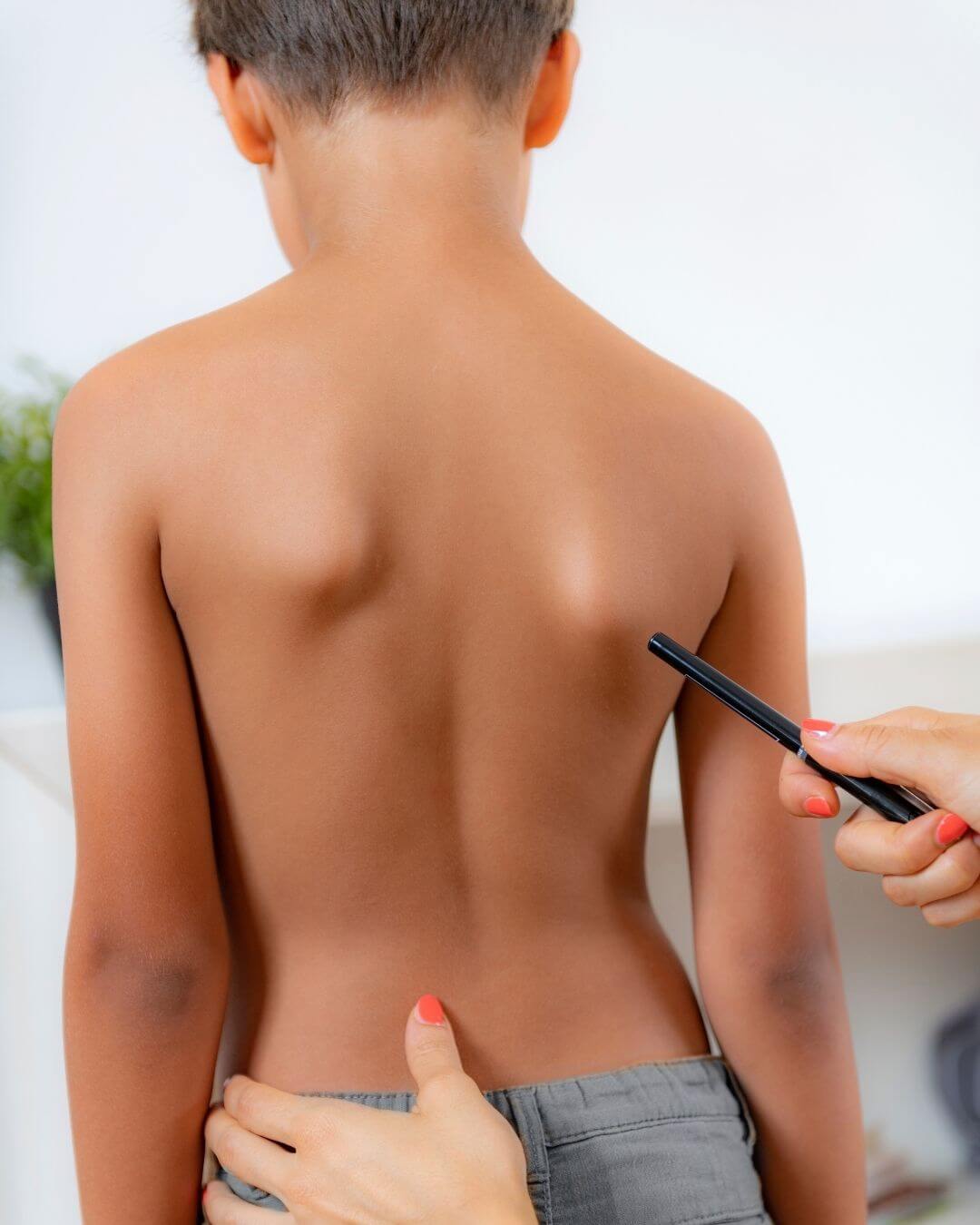
In children, many bone and joint conditions change as growth continues. A problem that appears mild in the early years may gradually affect walking patterns, posture, joint alignment, or spinal balance if left untreated.Early treatment often allows correction with simpler methods such as observation, braces, casting, or guided growth procedures, while delayed treatment may require more extensive correction later.
Many childhood orthopaedic problems improve without surgery.Treatment may include:
- Bracing
- Casting
- Splints
- Orthotics
- Activity modification
- Growth monitoring
- physiotherapy
The choice depends on age, diagnosis, and remaining growth potential.
Where appropriate, minimally invasive techniques help reduce tissue damage and allow faster recovery.
Corrective surgery may be advised for progressive deformities, unstable fractures, or structural problems affecting growth and function. Depending on the condition, treatment may include guided growth procedures, deformity correction, osteotomy, or fixation techniques to restore alignment and improve long-term joint function.
Some children need treatment for conditions that continue to affect bone growth, joint alignment, or walking pattern over time. These may include recurrent clubfoot, progressive limb deformity, hip instability, cerebral palsy-related contractures, or complex foot problems.Treatment planning may involve staged correction, guided growth procedures, osteotomy, soft tissue balancing, or rehabilitation depending on age and severity.
Paediatric physiotherapy improves:
- Joint mobility
- Muscle strength
- Balance
- Coordination
- Walking pattern
Rehabilitation plans are designed according to the child’s diagnosis, age, movement limitations, and recovery goals. The focus is on improving joint function, muscle strength, balance, and safe return to normal activity.
Children with growth-related bone and joint problems often need assessment by doctors familiar with developmental changes, deformity patterns, and treatment timing during growth.Our orthopaedic team evaluates both routine and complex childhood musculoskeletal conditions with treatment planned according to age, activity level, and long-term joint development.

Children often need follow-up because bones continue to grow after treatment and alignment may change over time.Some conditions require repeated assessment during growth, especially scoliosis, limb deformities, hip disorders, and gait abnormalities.Regular follow-up helps treatment remain aligned with the child’s changing growth pattern.
Early orthopaedic care can make a major difference in a child’s growth, movement, and long-term bone health. Our paediatric orthopaedic team at Mangal Anand Hospital provides structured evaluation, treatment, and follow-up for children with orthopaedic conditions.
Internationally recognized team of doctors with modern equipment & services

Get all your medical care under one roof with state-of-the-art facilities and equipment

Patient comfort and safety, with a clean and hygienic environment and 24/7 nursing care


Flat feet are common in young children. Painful flat feet or difficulty walking should be evaluated.
Persistent limping should always be assessed because it may indicate hip, bone, or joint problems.
Can knock knees improve naturally?
Some children improve with age, but severe deformity needs orthopaedic review.
Does every fracture need surgery?
No. Most fractures heal well with proper casting, but unstable fractures may need fixation.
When should scoliosis be checked?
If shoulders appear uneven or spinal curvature is noticed, early evaluation is advised.
Can children outgrow knock knees or flat feet?
Some alignment changes are normal during growth and may improve naturally. However, if the deformity is severe, painful, asymmetrical, or continues beyond the expected age, orthopaedic evaluation is recommended.
Delayed walking may sometimes be linked to foot posture, hip problems, muscle imbalance, or neuromuscular conditions. Persistent delay should be evaluated.